Tag Archives: GSM

GSM Amplifier

SONY DSC

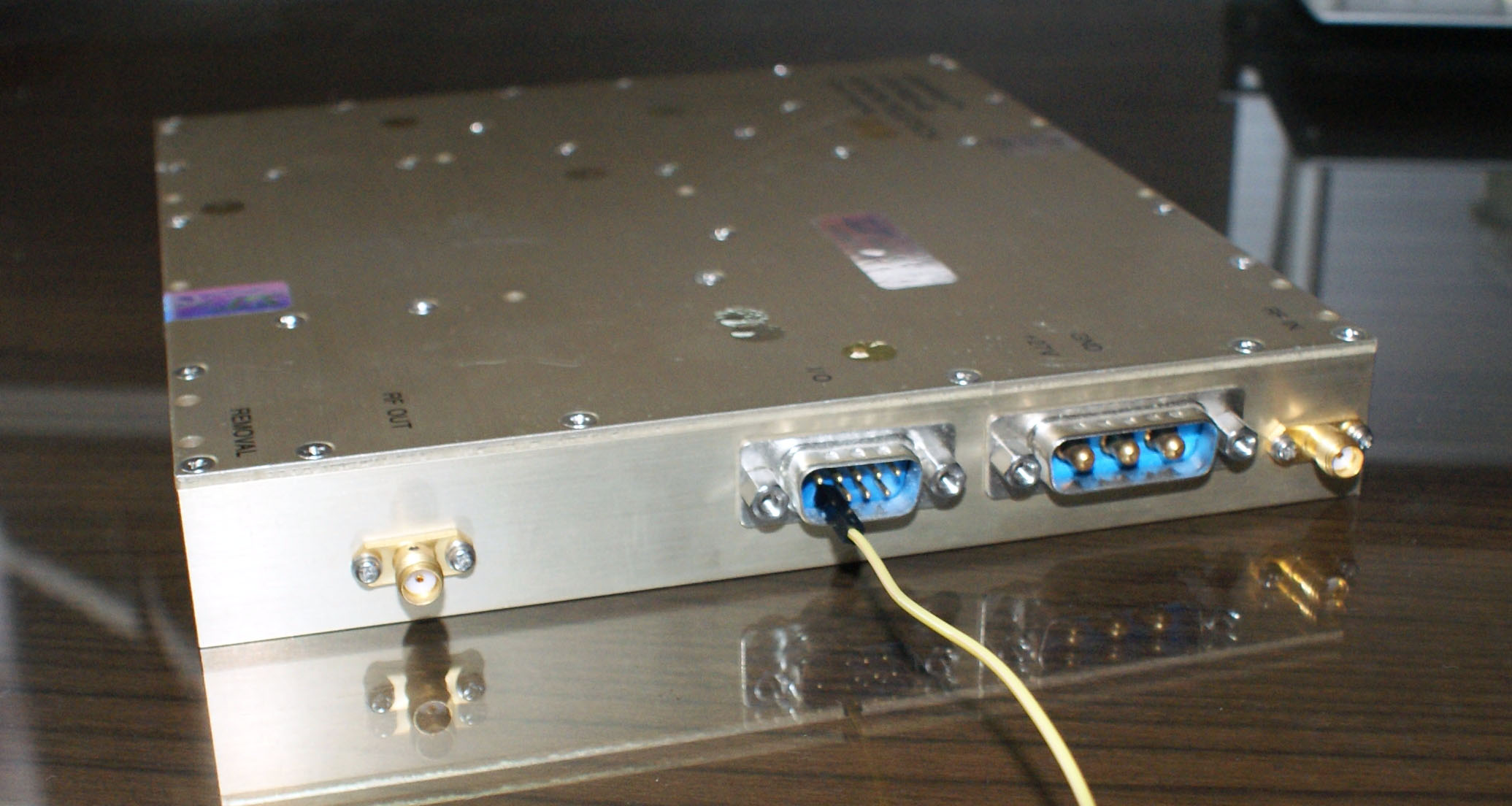
The High Power Amplifier for my Tactical GSM network has arrived, it almost took 2 weeks to get it delivered.
I bought the amplifier from Israel. Although it is manufactured in Korea.

It gives 42db avarage gain and allows up to 10 watts of transmit power.

Also it is noticable that it has d-sub 3w3 power connector.
I intended to buy a proper connector for the cabling but I gave up, I am going to rely on coils and and duct tapes
SONY DSC

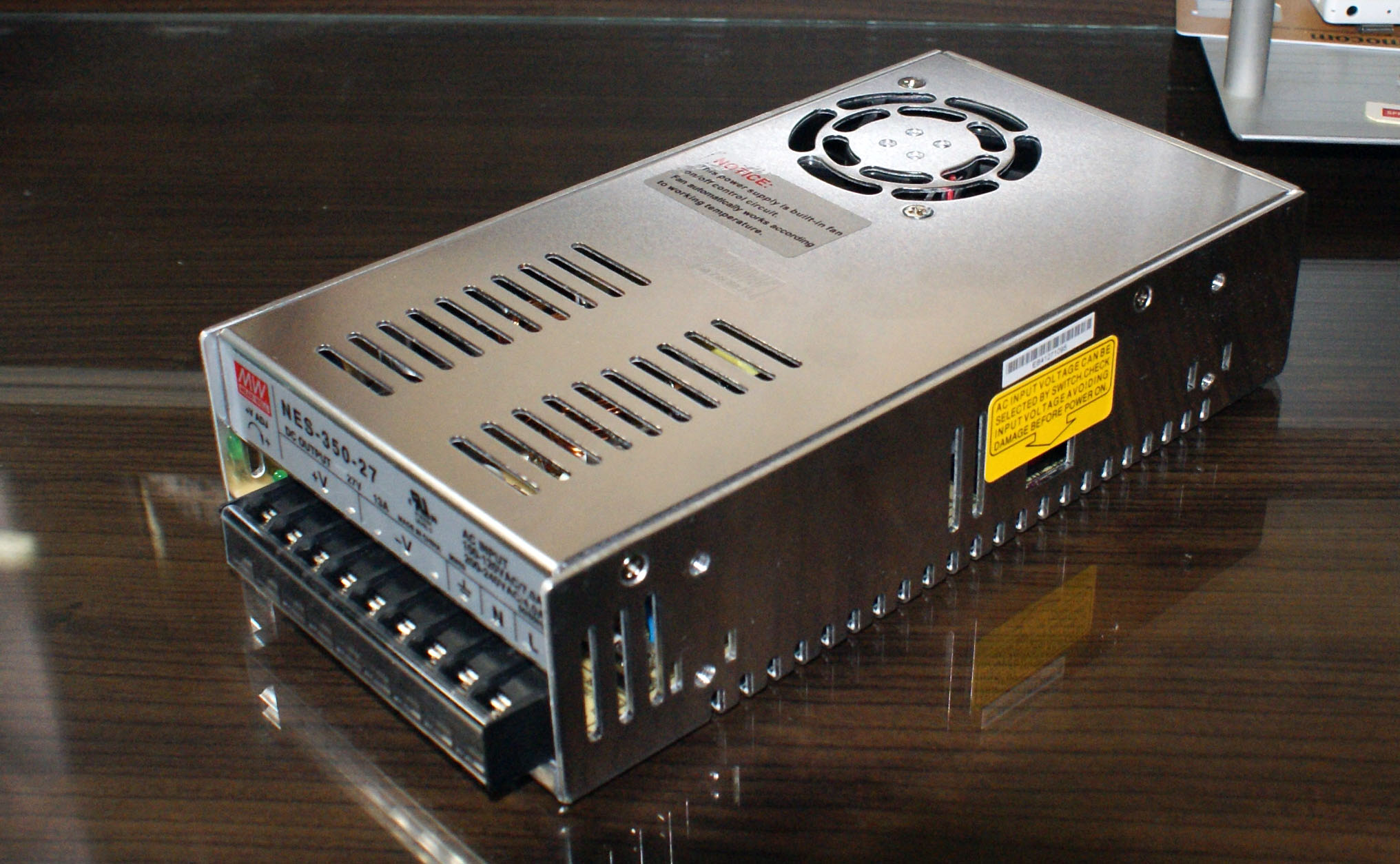
But it consumes near 300w of electricity at max, so I had to buy a separate power supply for it.

It isn’t easy to come by a 27v power supply but I was lucky enough to find one.
LTE EARFCN에 대해

블로그 로그를 보다가 LTE eARFCN이란 키워드로 방문하시는 분이 많은 것 같아 간단히 글을 남깁니다.

GSM 같은 셀룰러 네트에서 와이파이의 채널과 같은 의미를 가진것이 ARFCN입니다
Absolute Radio Frequency Channel Number 의 약자죠.
기지국과 휴대폰이 통신을 할 때 쓰는 업링크와 다운링크 채널을 정해 놓은 것입니다.

인접한 셀들끼리 비슷한 채널을 이용해 신호를 송출하면 혼선이 일어나기때문에 각 섹터마다 기지국은 다른 ARFCN을 이용해서 서비스를 하게 됩니다.

이것이
GSM과 같은 2G 망에서는 ARFCN으로
UMTS와 같은 3G 망에서는 U-ARFCN으로
LTE와 같은 4G 망에서는 E-ARFCN으로 불리는 것입니다.

GSM frequency bands

Band Downlink (MHz) Bandwidth
(MHz)
Uplink (MHz) Chanel number
Arfcn
Duplex spacing
(MHz)
Low Middle High Low Middle High
GSM 850 869.2 881.5 893.8 24.6 824.2 836.5 848.8 128 – 251 45
GSM 900 935.2 947.5 959.8 24.6 890.2 902.5 914.8 1 – 124 45
DCS 1800 1805.2 1842.5 1879.8 74.6 1710.2 1747.5 1784.8 512 – 885 95
PCS 1900 1930.2 1960 1989.8 59.6 1850.2 1880 1909.8 512 – 810 80

GSM frequency band table for reference

Converting MP3/WAV to ulaw/GSM

When you want to convert typical MP3/WAV files for your PBX like Asterisk, you can use sox and lame to do it easily.


lame --decode somemp3file.mp3 output.wav

First, convert the MP3 to WAV file.

Then,
For u-law:

sox -V output.wav -r 8000 -c 1 -t ul result.ulaw

For GSM:

sox output.wav -r 8000 -c 1 result.gsm resample -ql

Pre-converting your input sound files usually give much better results than using internal modules for transcoding.

SGSN temporary MCC/MNC authentication hack

From gprs_gmm.c


                        char mccmnc[16];
                        snprintf(mccmnc, sizeof(mccmnc), "%03d%02d", ra_id.mcc, ra_id.mnc);
                        if (strncmp(mccmnc, mi_string, 5) &&
                            (sgsn->cfg.acl_enabled &&
                             !sgsn_acl_lookup(mi_string))) {
                                LOGP(DMM, LOGL_INFO, "Rejecting ATTACH REQUESET IMSI=%s\n",
                                     mi_string);
                                return gsm48_tx_gmm_att_rej_oldmsg(msg,
                                                                GMM_CAUSE_GPRS_NOTALLOWED);
                        }

It needs to be commented out to allow roaming IMSIs to receive PDP contexts

nanoBTS reset procedure

This tutorial is for those who need to reset their nanoBTS units for redeployment.

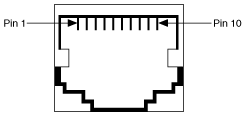
Originally each nanoBTS unit comes with a little reset dongle. But the dongle isn’t very special – it is just a proprietary connector with pins 9-10 connected to each other.

A screwdriver can do the exactly same thing, all you need to do is to short out pins 9 and 10 of the TIB-IN connector.
The TIB connectors of nanoBTS are a modified RJ69 connector. Refer to the following image for pin locations:

10-pin-mod-jack

You need to short out the rightmost two pins of the plug.


Video tutorial for 165 series

Video tutorial for 110 series


Disclaimer : This tutorial is not sponsored nor endorsed by ip.access and I am not in anyway associated with ip.access. Please do not contact me for sales inquiry.


ip.access nanoBTS pictures

I have a few ip.access nanobts picocells for sale.

Contact me at manatails@mananet.net for inquiry

These are the picocells from ip.access ltd.

DSC_0484

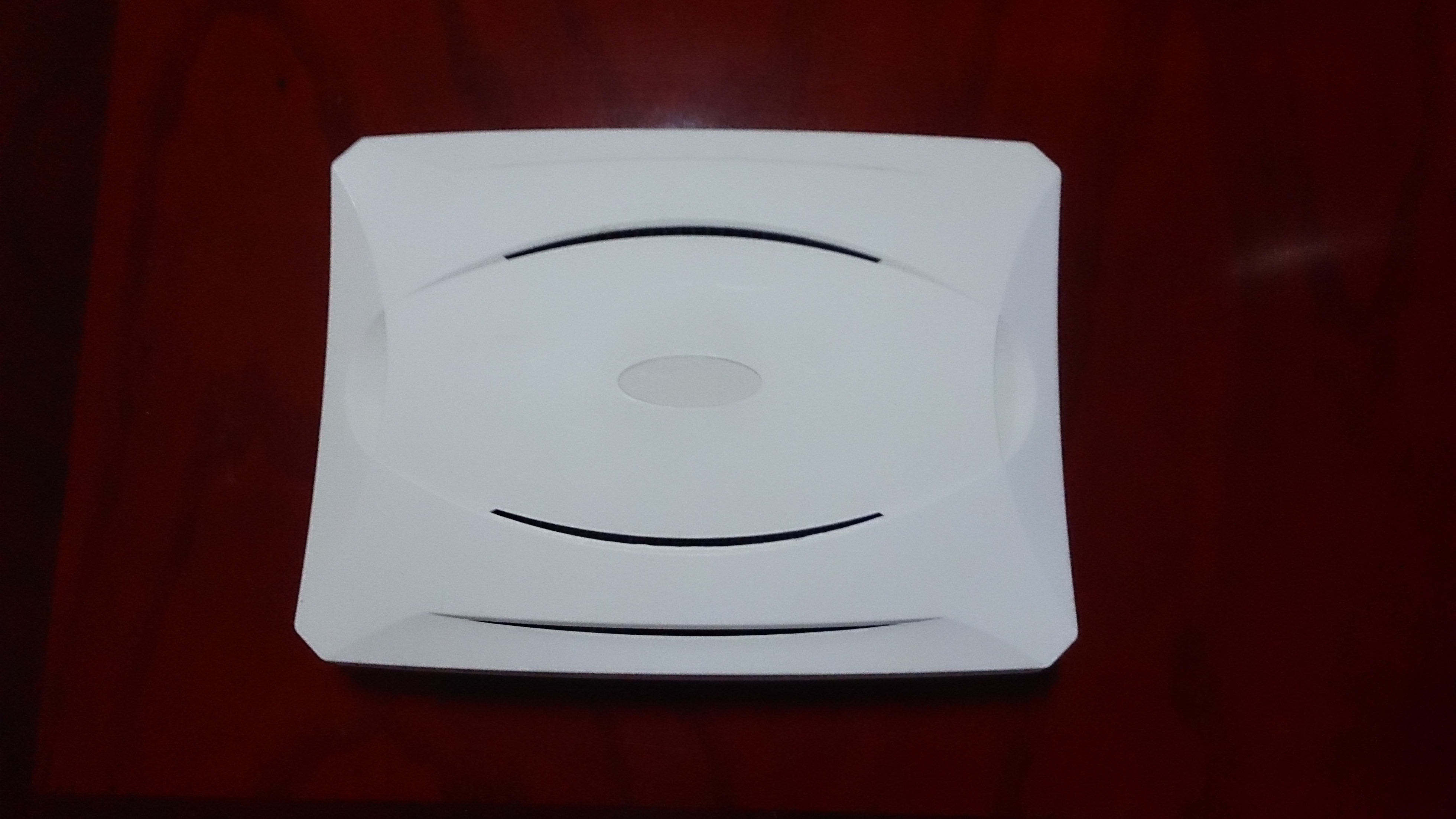
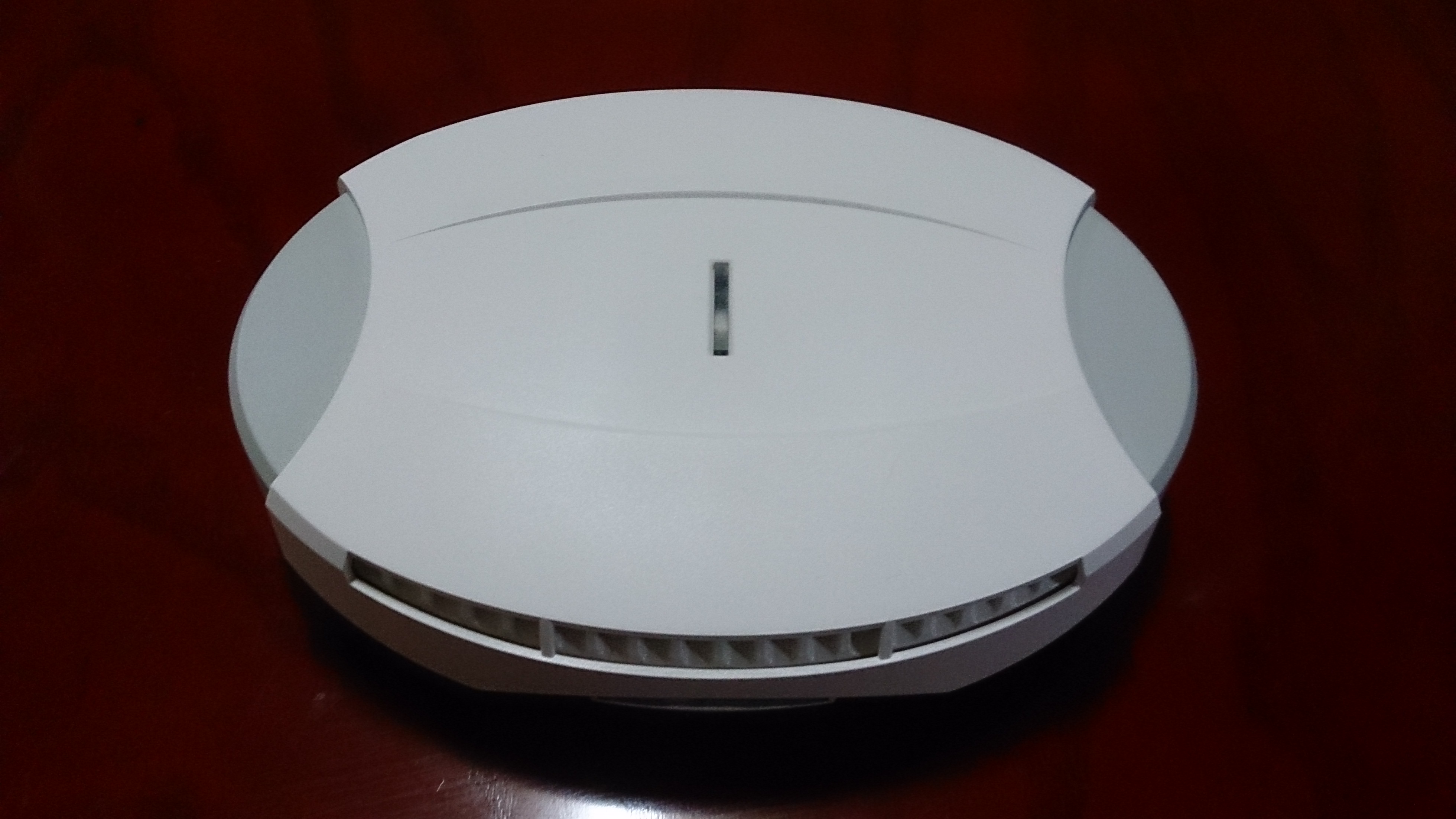
A 165 model (supports EDGE). Front.

DSC_0485

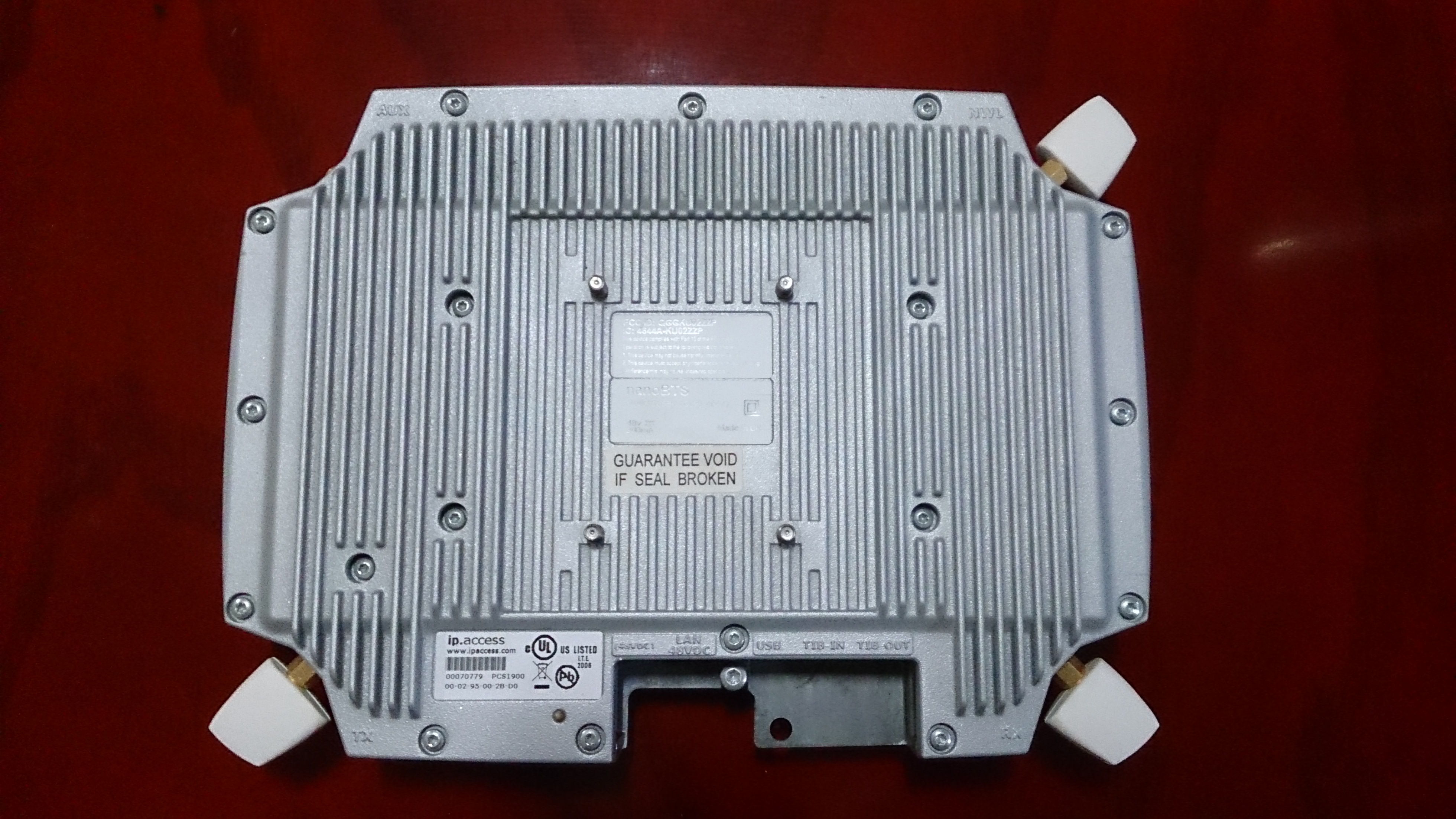
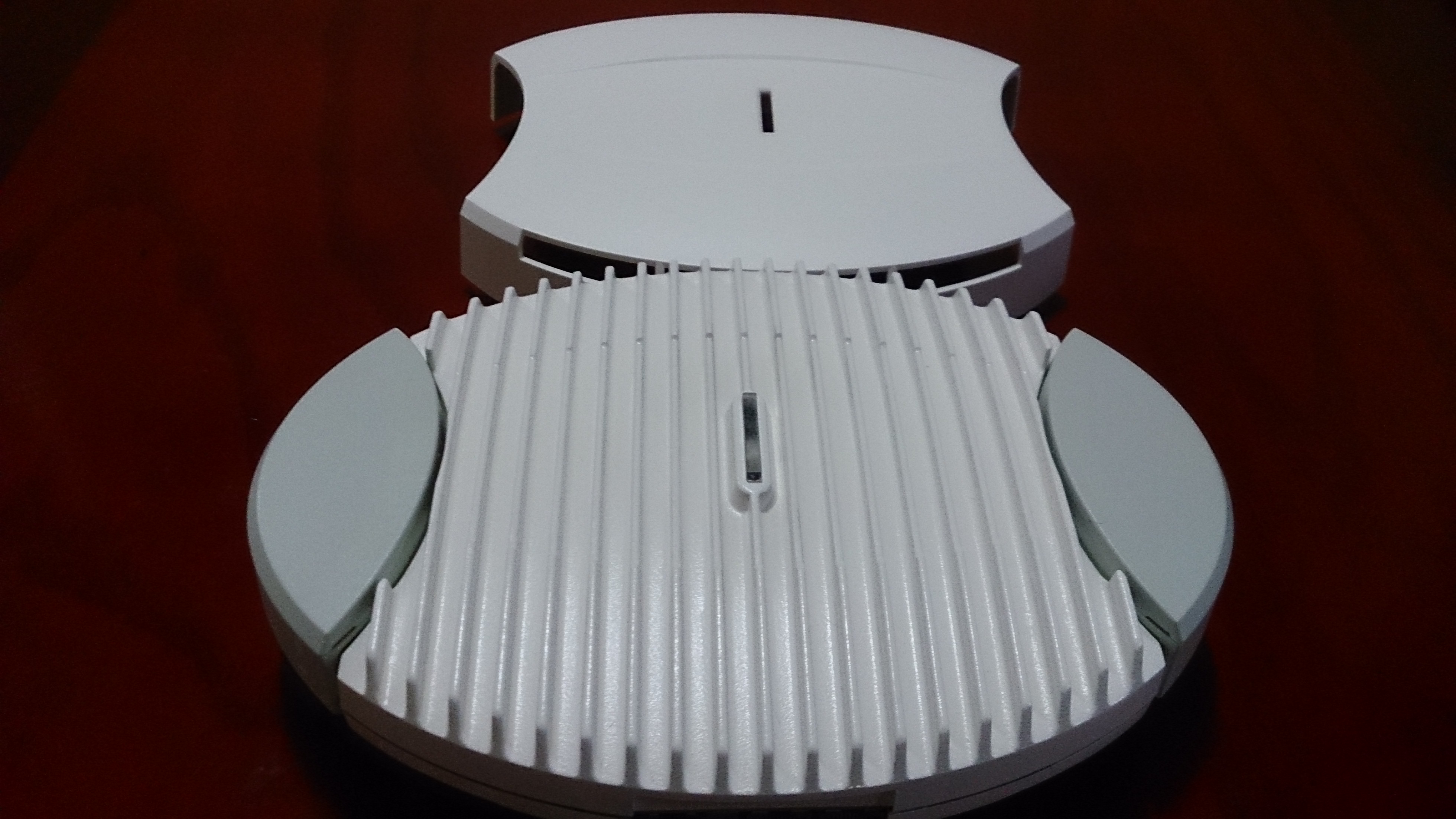
165 model without lid

DSC_0487

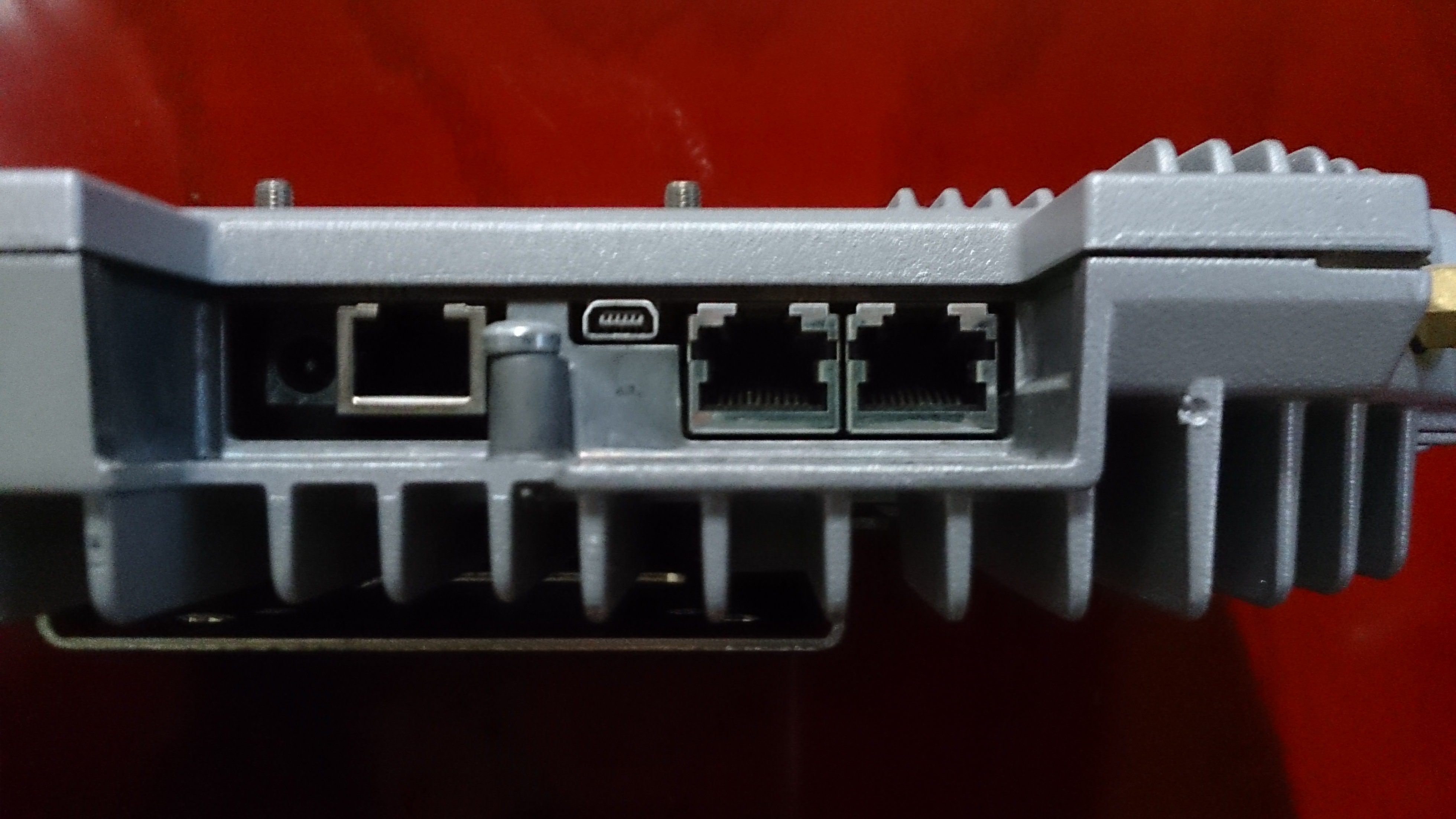
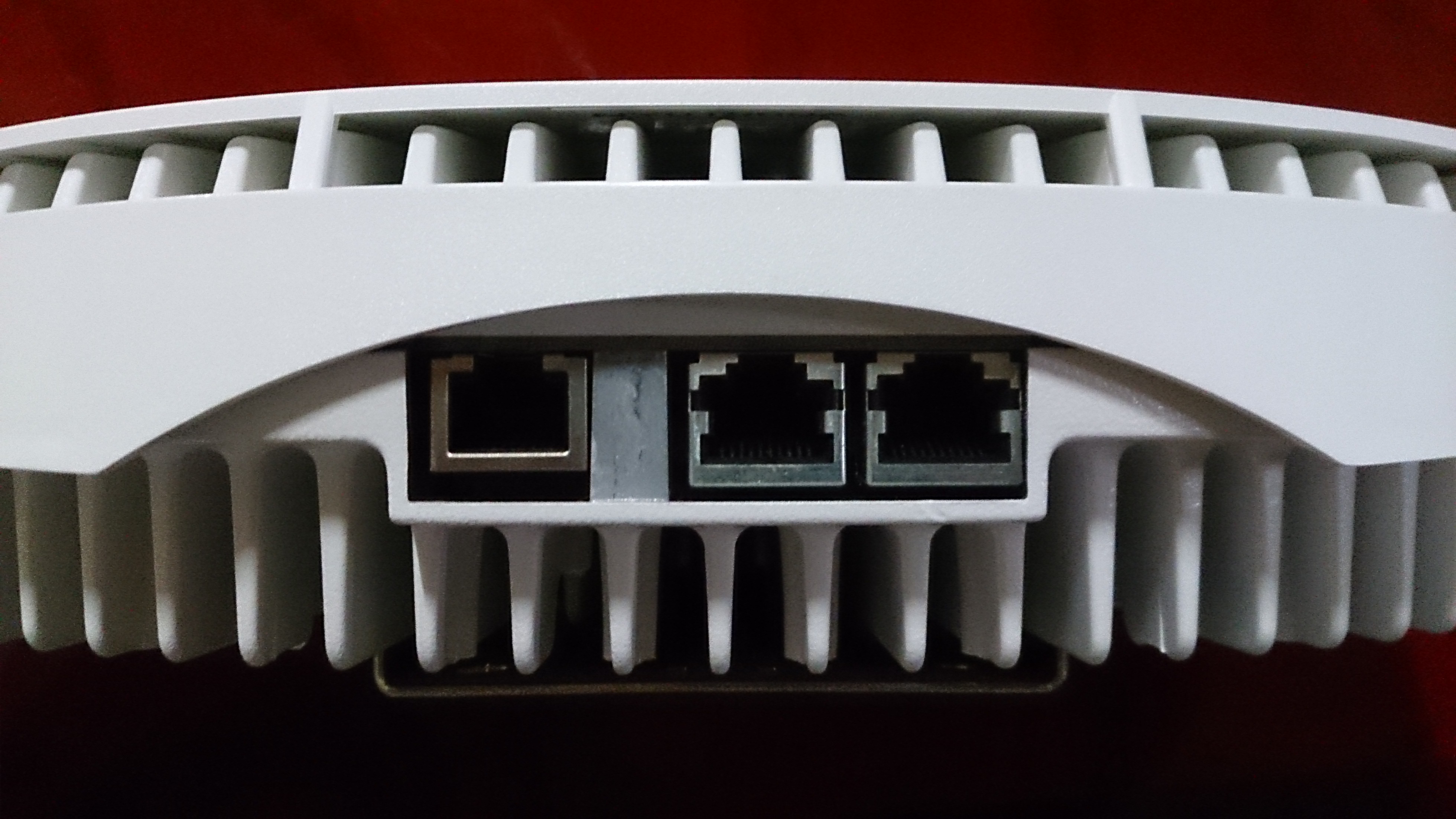
Ports, there is a separate port for 48v power.

DSC_0488

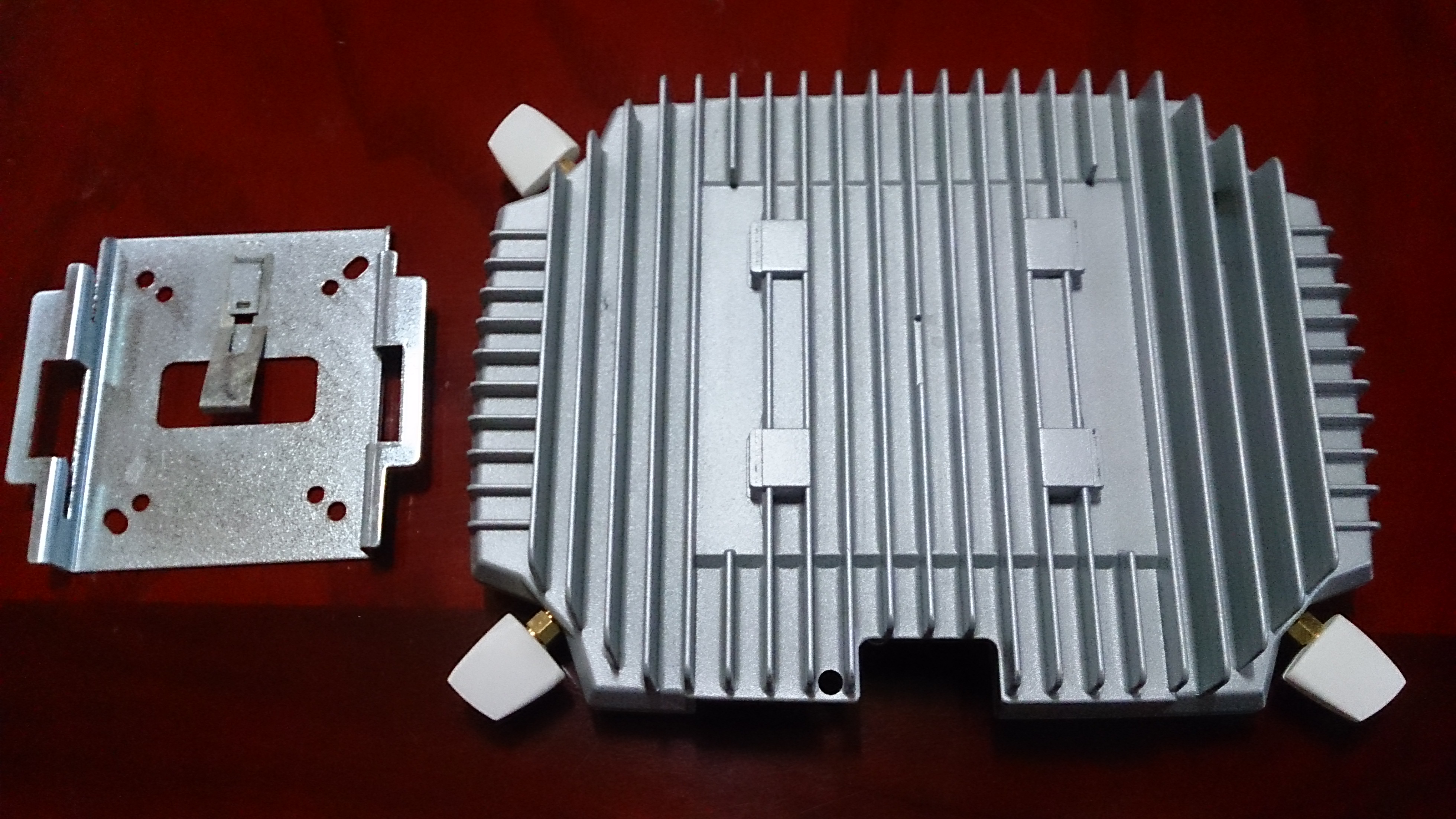
Back. With wall-mount brackets

DSC_0489

A 110 model.

DSC_0490

110 model without lid.

DSC_0491

110 model ports.